

Antonio Joyanes, EVP Energy Parks at Moeve, shares his perspective on the future of European refining, from the challenges of global competitiveness and regulation to the opportunities presented by AI, digitalisation and emerging green fuel markets. He highlights the role of operational excellence, infrastructure and investment in helping refiners adapt to a changing energy landscape.
Drawing on Moeve’s transformation of its traditional refining assets into energy parks, Antonio discusses the practical challenges of developing green energy projects and the importance of industry collaboration. Ahead of ERTC 2026, he emphasises the need for a more unified industry voice to strengthen Europe’s competitiveness and support its energy transition.
European refining is facing increasing pressure from costs, regulation and global competition. What do you see as the most important priorities for maintaining competitiveness in the years ahead?
It will depend on each individual refining company, its location and access to markets. There are some competitiveness levers, but for Europe is very difficult to compete globally with refineries located in low cost regions and less stringent regulation.
For some refiners, logistics and optionality might be an advantage and for others their level of vertical integration provide resilience and solid P&L.
Investing in operational excellence, optimizing with an end-to-end focus and developing digitalization and AI solutions will be a solid bet to remain competitive.
Considering the cost of CO2, it would be a good debate for the industry to consider if a high conversion refinery will be more competitive than a refinery with a simpler structure and lower energy intensity. It is also a good time to discuss the decision to invest in green molecules as a competitive advantage for the future.
AI and digitalisation are becoming increasingly important across refining. Where do you see the greatest opportunity for these technologies to deliver real value in existing operations?
I see a great opportunity in the application of AI in blending (through properties predictions), economic optimizers supporting the decision making in the control panels and the data analysis to prescribe the right maintenance actions. This could be a great opportunity to explore some of the projects some refiners are developing because in reality every aspect of the refinery can be improved through AI, from material balance to safety.
Looking at the changes taking place across European refining today, what is one development you think the industry should be paying much closer attention to?
For me, the most important development will be new green molecule markets and the impact of regulations. We need homogenous market conditions across Europe to provide a competitive environment and to avoid discrepancies from country-to-country. Infrastructure and green power accessibility is also key here.
If we refer to technological progress, the power-2-fuel projects are very relevant as competitiveness will rely on reducing the current costs of synthetic fuels. This could be interesting to debate, whether it is a realistic option to replace fossil with green fuels.
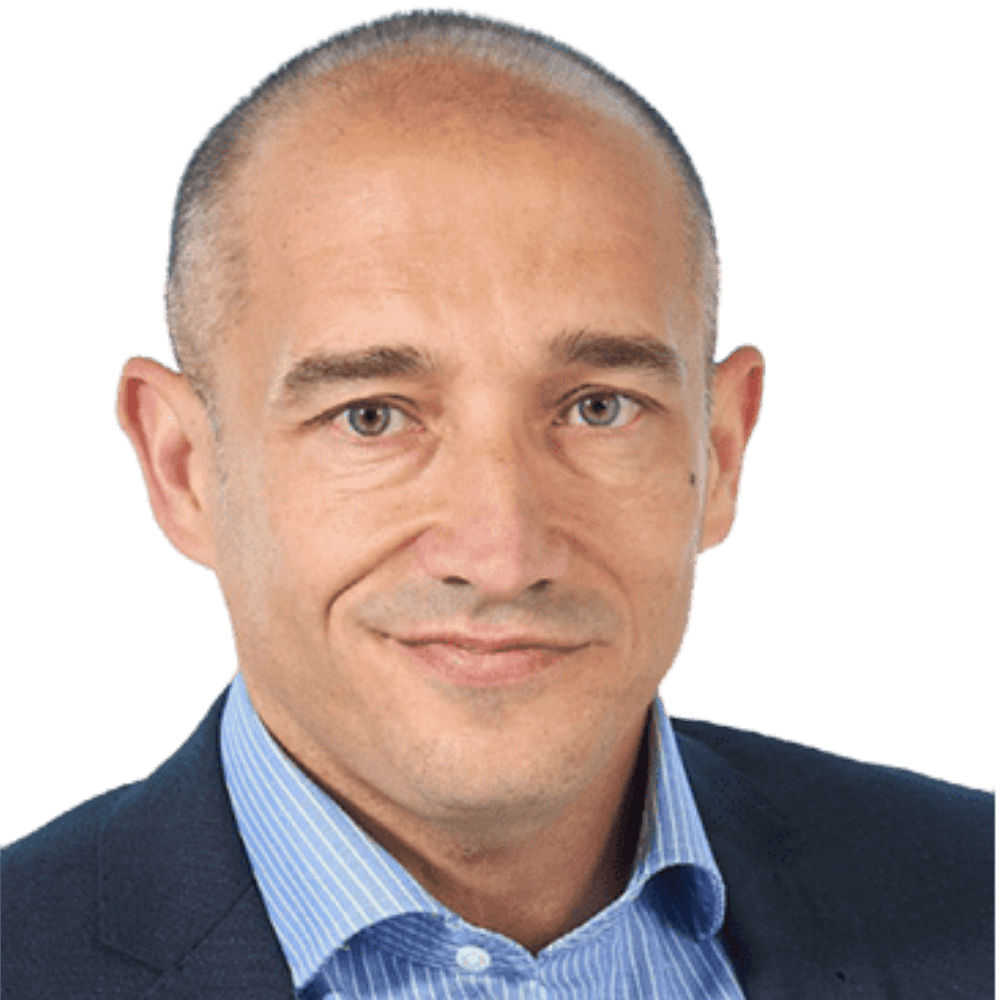
Hear from Antonio Joyanes at ERTC 2026
-
- Day 1: 1st December, 09:25 | A Macroeconomic Outlook: Pragmatic Strategies to Support Europe’s Competitiveness on the Global Market
- Day 2: 2nd December, 12:00 | Artificial Intelligence: Exploring The Potential & Limits of AI at Europe’s Refinieries & Petrochemical Plants
- Day 3: 3rd December, 09:30 | Closing Plan-to-Plant Gaps with Physical AI
>> View the Agenda <<
Moeve is transforming its traditional energy assets into broader energy parks. What have you learned from this process about the opportunities and challenges of repurposing existing infrastructure?
That sometimes it is better to build a green field plant and avoid the repurposing of existing units, However the learnings could be summarized as:
-
- Synergies and economy of scale is very relevant.
- Green projects are a strong stimulus for transforming the assets. Several important aspects are:
a) Attracting and retaining talent
b) Gaining Government support
c) Developing digital transformation
In many cases, the transformation of the refinery is the sole option to develop green projects, based on the lack of industrial land and the long permitting process. Even Green projects require big efforts to gain social licence.
Moeve is joining us as co-host of ERTC 2026. What made it important for Moeve to be involved in this year’s event?
I believe we need align goals and messages. Have as much as possible a sole voice or a single message. We are a very heterogenous group of companies and aligning messages is not an easy task. The alignment is key when addressing the European government. We need a cooperate if we want to compete. Exchanges and debates of this sort are relevant to gain a common narrative for the industry.

30 Nov – 3 Dec | Madrid, Spain
FUTURE-PROOFING REFINING’S ROLE IN THE ENERGY MIX